
Spaces Created for Leisure and Rest
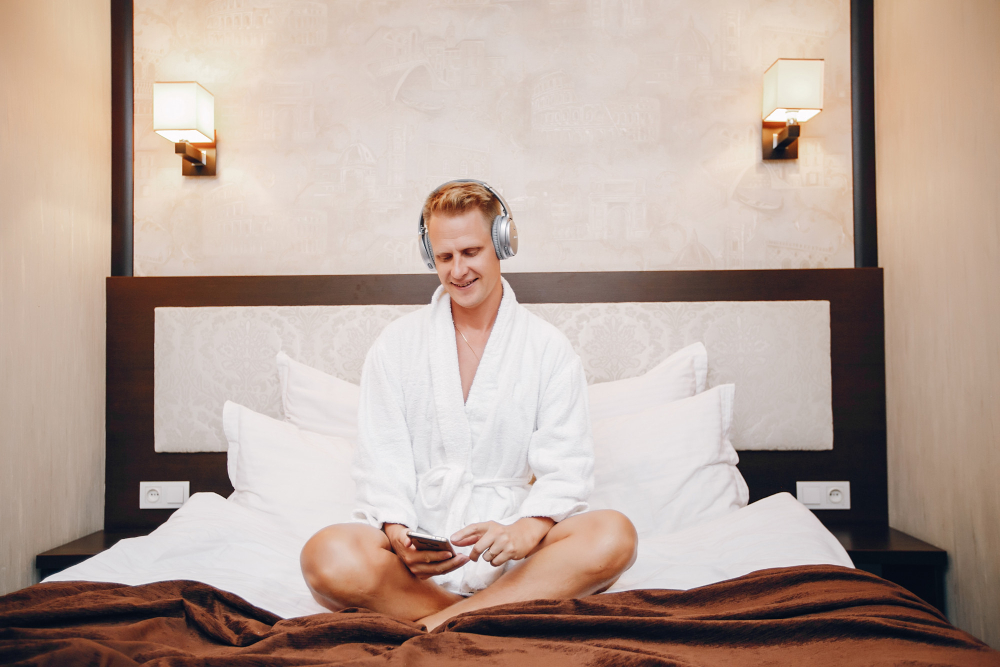
Shared leisure spaces play an important role in shaping how guests experience a hotel. These areas offer more than just additional seating; they provide environments where visitors can relax, pause between activities, and enjoy moments of rest throughout the day. Well-designed leisure spaces help create balance between privacy and social interaction.
Hotel leisure areas are often designed with flexibility in mind. Comfortable seating, open layouts, and calm design elements allow guests to use the space in different ways. Some may choose to read or rest quietly, while others may enjoy light conversation or simply observe the surroundings. This adaptability supports a wide range of guest preferences.
Atmosphere is a key factor in making leisure spaces inviting. Soft lighting, natural materials, and thoughtful spacing contribute to an environment that feels calm rather than overstimulating. When noise levels are managed and visual clutter is minimized, guests are able to relax more easily and feel at ease in shared areas.
Location within the hotel also influences how leisure spaces are used. Areas positioned near reception, dining zones, or outdoor access points often become natural gathering places. Clear pathways and intuitive layouts help guests move through these spaces comfortably without confusion.
Consistency between private rooms and shared leisure areas is another important aspect. When design language and comfort standards align across the property, guests experience a sense of continuity. This consistency reinforces the feeling that every part of the hotel has been created with care and intention.
Ultimately, spaces created for leisure and rest support the overall quality of a hotel stay. When shared areas feel welcoming, flexible, and comfortable, guests are more likely to enjoy their time and make use of the hotel beyond their rooms. Hotels that prioritize thoughtful leisure spaces offer environments where rest feels natural and unforced.